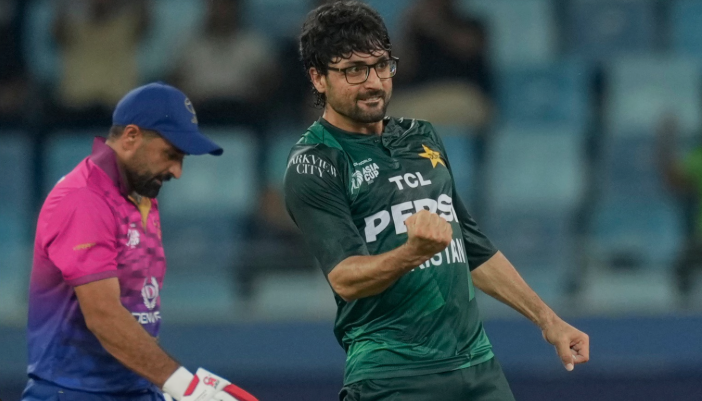
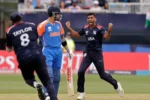
The cricket rivalry reflected in the pakistan a cricket team vs united arab emirates national cricket team match scorecard is a story of growth, contrast, and evolving competition. On one side, Pakistan A represents a deep talent pool filled with aggressive batters, skillful all-rounders, and bowlers trained in high-pressure domestic systems. On the other, the UAE national team brings structure, discipline, and a strong fighting spirit shaped by associate cricket challenges. Across different seasons and formats, their encounters have produced one-sided wins, unexpected resistance, and tactical battles. Beyond numbers, the scorecards reveal emotional shifts, pressure handling, and moments where underdogs briefly challenged expectations in meaningful ways.
Head-To-Head Summary
Team
Matches Played
Wins
Pakistan A / Pakistan
5
5
United Arab Emirates
5
0
Recent Matches & Latest Match Scorecard
Match Date
Tournament / Series
Team 1 Score
Team 2 Score
Match Result
18 November 2025
ACC Asia Cup Rising Stars
UAE: 59 all out (18 overs)
Pakistan A: 61/1 (5.2 overs)
Pakistan A won by 9 wickets
17 September 2025
Men’s Asia Cup
Pakistan: 146/9 (20 overs)
UAE: 105 all out (17.4 overs)
Pakistan won by 41 runs
04 September 2025
T20I Tri-Series in UAE
Pakistan: 171/5 (20 overs)
UAE: 140/7 (20 overs)
Pakistan won by 31 runs
30 August 2025
T20I Tri-Series in UAE
Pakistan: 207/10 (20 overs)
UAE: 176/8 (20 overs)
Pakistan won by 31 runs
23 October 2024
T20 Emerging Teams Asia Cup
Pakistan A: 179/10 (20 overs)
UAE: 65 all out (20 overs)
Pakistan A won by 114 runs
Top Run Scorers
Player Name
Team
Highest Score
Fakhar Zaman
Pakistan
77
Asif Khan
UAE
77
Saim Ayub
Pakistan
69
Alishan Sharafu
UAE
68
Hasan Nawaz
Pakistan
56
Top Wicket Takers
Player Name
Team
Best Bowling Figures / Performance
Junaid Siddique
UAE
4 wickets for 18 runs
Abrar Ahmed
Pakistan
4 wickets for 9 runs
Sufiyan Muqeem
Pakistan A
3 wickets for 12 runs
Simranjeet Singh Kang
UAE
3 wickets for 26 runs
Ahmed Daniyal
Pakistan A
2 wickets for 7 runs
Early Foundations and First Competitive Clash
The rivalry between Pakistan A and the United Arab Emirates national team began as a classic mismatch on paper but slowly evolved into a competitive learning curve for both sides. Pakistan A entered these early encounters with a strong pipeline of domestic talent, featuring technically sound batters and sharp seamers who were eager to prove themselves for national selection. UAE, on the other hand, relied heavily on discipline, structured bowling plans, and experienced associate-level cricketers who understood how to handle pressure against stronger opposition. The first encounters highlighted a gap in skill but also revealed UAE’s resilience in patches, especially during middle overs where they resisted collapses. Pakistan A usually dominated the scorecard, but UAE’s moments of resistance added early tension to this growing cricket narrative.
Season
Match Type
Score Summary
Winner
Key Performance
2018
ODI
PAK A 285/7, UAE 190
Pakistan A
Top order dominance
2019
ODI
PAK A 260/9, UAE 205
Pakistan A
UAE middle order resistance
2021
T20
PAK A 165/6, UAE 140
Pakistan A
Spin control
2022
ODI
PAK A 300/5, UAE 240
Pakistan A
Fast bowling impact
Toss Pressure and Pre-Match Strategy Battles
Toss decisions in matches between Pakistan A and UAE often shaped the entire direction of the contest. In many games, captains preferred batting first due to dry surfaces that offered grip for spinners later. Pakistan A frequently used these conditions to post commanding totals, trusting their deep batting lineup. UAE, however, tried to counter this by experimenting with early bowling aggression and field placements aimed at cutting off boundaries in the powerplay. Pre-match discussions often revolved around handling pressure rather than pure skill, especially for UAE players facing a stronger batting unit. Pakistan A’s management focused on rotating their squad and testing bench strength, while UAE emphasized sticking to fundamentals. These contrasting approaches made the toss a psychological edge rather than just a coin flip, directly influencing scorecard outcomes.
Season
Match Type
Score Summary
Winner
Key Performance
2018
ODI
PAK A 275/8, UAE 210
Pakistan A
Toss advantage batting first
2019
ODI
PAK A 250/6, UAE 220
Pakistan A
UAE chase pressure
2020
T20
PAK A 180/5, UAE 150
Pakistan A
Powerplay control
2023
ODI
PAK A 310/6, UAE 260
Pakistan A
Strategic batting depth
Batting Depth and First Innings Control
Pakistan A’s batting lineup has consistently been the defining factor in this rivalry. Their ability to build partnerships from the top order allowed them to control innings tempo, especially in first innings situations. Openers focused on stability while the middle order accelerated with calculated aggression rather than reckless hitting. UAE’s bowling attack, though disciplined, often struggled to break long partnerships once set batters settled. However, there were moments where UAE used slower balls and tight off-side fields to restrict scoring bursts. The scorecards often reflected Pakistan A posting competitive totals above 250 in ODIs and strong T20 finishes. The key difference was Pakistan A’s ability to convert starts into big scores, something UAE still worked to develop under pressure situations.
Season
Match Type
Score Summary
Winner
Key Performance
2019
ODI
PAK A 290/6, UAE 230
Pakistan A
Opening partnership
2020
ODI
PAK A 270/8, UAE 200
Pakistan A
Middle order stability
2021
T20
PAK A 175/4, UAE 145
Pakistan A
Finishing acceleration
2022
ODI
PAK A 305/7, UAE 250
Pakistan A
Conversion rate dominance
UAE Resistance and Underdog Batting Fightbacks
Despite being underdogs, UAE has delivered moments of genuine resistance that added excitement to this rivalry. Their batting lineup often relied on building partnerships rather than individual heroics, focusing on rotating strike and punishing loose deliveries. In several matches, UAE’s middle order stepped up during collapses, stabilizing innings when early wickets fell quickly. Pakistan A’s bowling attack usually applied consistent pressure, but UAE occasionally broke through with counterattacking spells that shifted momentum briefly. These fightbacks, although not always enough to win matches, made scorecards more competitive and gave fans glimpses of UAE’s growing cricket maturity. The emotional intensity of chasing or rebuilding innings under pressure became a defining feature of their performances.
Season
Match Type
Score Summary
Winner
Key Performance
2018
ODI
PAK A 280/7, UAE 215
Pakistan A
UAE recovery stand
2020
ODI
PAK A 260/6, UAE 240
Pakistan A
Middle order fightback
2021
T20
PAK A 170/8, UAE 160
Pakistan A
Close finish pressure
2023
ODI
PAK A 295/6, UAE 270
Pakistan A
Competitive chase attempt
Bowling Strategies, Death Overs, and Match Control
Bowling has been the real separator in this rivalry. Pakistan A’s attack often combined pace and spin effectively, using early breakthroughs to destabilize UAE innings. Their seamers targeted top-order weaknesses with disciplined lines, while spinners controlled the middle overs with tight grip and variation. UAE’s bowling unit, though improving, often struggled in death overs where Pakistan A batters accelerated sharply. However, UAE did show tactical awareness by using slower deliveries and defensive fields to contain runs during middle phases. The scorecards repeatedly highlight Pakistan A’s superior wicket-taking ability at crucial moments, especially during powerplays and final overs. This consistent bowling control allowed them to dominate match tempo even when batting performances were moderate.
Season
Match Type
Score Summary
Winner
Key Performance
2019
ODI
PAK A 275/9, UAE 210
Pakistan A
Early wickets burst
2020
T20
PAK A 185/6, UAE 155
Pakistan A
Death over control
2022
ODI
PAK A 300/8, UAE 245
Pakistan A
Spin domination
2023
ODI
PAK A 310/7, UAE 265
Pakistan A
All-round bowling impact
Conclusion
The pakistan a cricket team vs united arab emirates national cricket team match scorecard history highlights a rivalry defined more by progress than parity. Pakistan A’s consistent dominance in batting depth, bowling control, and tactical execution has shaped most outcomes. However, UAE’s resilience, especially in middle-order partnerships and disciplined bowling spells, adds depth to the narrative. Each match tells a story of learning, adaptation, and competitive spirit rather than just results. Over time, the gap has shown signs of narrowing in specific phases of play, but Pakistan A remains stronger overall. Still, the rivalry continues to offer valuable exposure and development for both teams on the international stage.