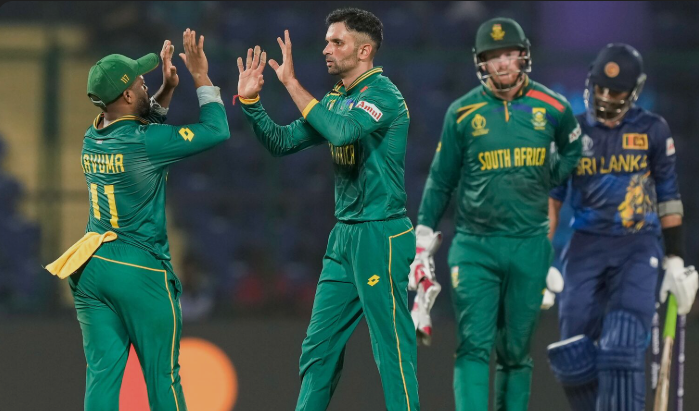
The cricket rivalry between the South Africa national cricket team and the Sri Lanka national cricket team has grown into a fascinating study of contrasting styles, shifting dominance, and high pressure international moments. Across formats, both teams have produced memorable scorecards shaped by fast bowling intensity from South Africa and spin mastery from Sri Lanka. Their encounters often influence ICC standings, tournament qualification, and ranking positions, making every series more than just a bilateral contest. From early low scoring battles to modern high intensity clashes, this rivalry reflects how cricket evolves through adaptation, strategy, and moments of brilliance under pressure on the global stage.
Head-to-Head Summary
Format
Total Matches Played
South Africa Wins
Sri Lanka Wins
Tied / No Result
Test Matches
33
18
9
6
ODIs
81
46
33
2 (1 Tied, 1 NR)
T20Is
18
13
5
0
ICC Top 10 Men’s Team Rankings
Rank
Test Format
ODI Format
T20I Format
1
Australia
India
India
2
South Africa
New Zealand
England
3
India
Australia
Australia
4
England
South Africa
New Zealand
5
New Zealand
Pakistan
South Africa
6
Sri Lanka
Sri Lanka
Pakistan
7
Bangladesh
Afghanistan
West Indies
8
Pakistan
England
Bangladesh
9
West Indies
Bangladesh
Sri Lanka
10
Zimbabwe
West Indies
Afghanistan
Recent Matches
Date
Format
Venue
Winner
Margin of Victory
Dec 05, 2024
Test
St George’s Park
South Africa
Won by 109 runs
Nov 27, 2024
Test
Kingsmead
South Africa
Won by 233 runs
June 03, 2024
T20I
New York
South Africa
Won by 6 wickets
Oct 07, 2023
ODI
New Delhi
South Africa
Won by 102 runs
Most Memorable Matches
Match Event
Format
Summary of Significance
2003 ICC World Cup
ODI
A famous rain-affected DLS calculation error by South Africa led to a Tied Match, knocking the Proteas out of their home tournament.
2007 ICC World Cup
ODI
Lasith Malinga took a historic 4 wickets in 4 balls, nearly pulling off an impossible win before South Africa scraped through by 1 wicket.
2019 Durban Test
Test
Kusal Perera played one of the greatest Test innings of all time (153 not out in a 78-run last-wicket stand) to seal a 1-wicket win for Sri Lanka.
Key Player Performance Analysis
Player Name
Team
Role
Primary Match Impact Style
Kagiso Rabada
South Africa
Bowler
Known for utilizing express pace and dynamic bounce to tear down top-order subcontinental batters.
Aiden Markram
South Africa
Batter
Highly successful anchor in limited-overs matches against Sri Lanka’s spin attack.
Kusal Mendis
Sri Lanka
Wicketkeeper-Batter
Aggressive top-order option heavily relied upon to navigate both pace and bounce adjustments.
Prabath Jayasuriya
Sri Lanka
Bowler
Elite left-arm orthodox spinner who acts as Sri Lanka’s primary weapon on turning tracks.
Rivalry Foundations: Early Encounters Between South Africa and Sri Lanka
The rivalry between South Africa and Sri Lanka began with two teams built on completely different cricket philosophies. South Africa relied heavily on pace, bounce, and disciplined fielding structures, while Sri Lanka leaned on spin variation and creative batting in subcontinental conditions. Early matches were not high scoring classics but tactical battles where bowlers dominated more often than batters. South Africa’s fast bowlers tested Sri Lanka’s technique against short-pitched deliveries, while Sri Lanka’s spinners targeted South Africa’s middle order with sharp turn and flight. These early encounters shaped the foundation of their standings history, where neither team could consistently dominate across formats. Instead, results depended heavily on conditions, execution under pressure, and adaptability during key match phases.
Season
Matches
Winner
Key Strength
Impact on Standings
1992-1999
6
South Africa
Pace attack dominance
Higher ODI ranking stability
2000-2005
8
Even
Spin vs pace balance
Fluctuating ICC points
2006-2010
10
Sri Lanka slight edge
Middle order batting
Improved Sri Lanka ranking
2011-2015
9
South Africa
All-round depth
Stronger tournament standings
ODI Clashes and Standings Pressure Moments
One Day Internationals between South Africa and Sri Lanka have often carried direct consequences for tournament standings. These matches frequently occurred in ICC events or crucial bilateral series where every win impacted ranking points and qualification scenarios. South Africa’s aggressive batting approach often clashed with Sri Lanka’s strategic spin control in the middle overs. Many matches were decided in the final five overs, with pressure creating unexpected collapses. Sri Lanka’s ability to rotate strike and build partnerships was tested against South Africa’s pace variations and death bowling execution. Scorecards from these encounters often show narrow margins, reflecting how closely matched both sides were in ODI cricket despite different playing conditions and team structures.
Season
Matches
Winner
Avg Margin
Standings Effect
2003-2007
7
South Africa
25 runs
Top 4 ODI ranking
2008-2012
9
Sri Lanka
3 wickets
Qualification boosts
2013-2017
8
South Africa
18 runs
Stable top tier ranking
2018-2024
6
Mixed
Close finishes
Frequent ranking shifts
T20 Rivalry Intensity and Match Turning Points
T20 cricket elevated the intensity of the South Africa vs Sri Lanka rivalry. The shorter format amplified pressure, making every over critical. South Africa’s explosive batting lineup often aimed to dominate powerplays, while Sri Lanka relied on spin choke strategies in the middle overs. Matches frequently swung within a few deliveries, especially during death overs where execution determined outcomes. Sri Lanka’s wrist spinners and South Africa’s power hitters created one of the most entertaining matchups in T20 international cricket. Scorecards reflect rapid momentum shifts, with partnerships of 40 to 60 runs often proving decisive. Standings in T20 leagues and ICC tournaments were frequently influenced by these tight contests.
Season
Matches
Winner
Avg Score
Match Nature
2007-2012
5
South Africa
150-165
Powerplay dominance
2013-2018
6
Sri Lanka
140-155
Spin controlled games
2019-2023
7
South Africa
160-180
High scoring thrillers
2024-present
4
Balanced
170+
Ultra competitive
Test Match Battles and Conditions Driven Results
Test matches between South Africa and Sri Lanka highlight the contrast in home conditions. In South Africa, fast and bouncy pitches allowed seamers to dominate, often resulting in quick collapses from visiting batters. In Sri Lanka, turning pitches in Galle tested South Africa’s ability to handle spin over long innings. These matches rarely ended in draws unless weather intervened, as both teams pushed for results through aggressive captaincy and bowling rotations. Scorecards often show dramatic swings, with one innings dominance followed by collapse in the next. Standings in the ICC Test Championship were frequently influenced by these series, especially when home advantage played a major role.
Season
Matches
Winner
Avg Innings Score
Conditions Impact
2000-2006
4
South Africa
280
Pace dominated
2007-2013
5
Sri Lanka
310
Spin-friendly
2014-2020
6
South Africa
290
Balanced contests
2021-2025
3
Even
300+
Tactical battles
Modern Era Standings and Competitive Balance
In the modern era, South Africa and Sri Lanka have entered a phase of rebuilding and restructuring. Young talent has replaced experienced core players on both sides, leading to unpredictable results. South Africa continues to rely on pace strength and emerging all-rounders, while Sri Lanka focuses on developing consistent batting depth and versatile spin options. Recent scorecards show tighter contests with fewer one-sided games. Standings in ICC rankings fluctuate frequently due to inconsistent series outcomes. Both teams now prioritize adaptability across formats, making their encounters more competitive than ever before. This phase represents a more balanced rivalry where no single team maintains long-term dominance.
Season
Matches
Winner
Avg Score
Standings Trend
2018-2020
5
South Africa
270-290
Slight rise
2021-2023
6
Sri Lanka
280-300
Recovery phase
2024-2025
4
Even
290+
Volatile rankings
2026
Ongoing
Open
High scoring
Unstable balance
Conclusion
The South Africa vs Sri Lanka rivalry stands as a long journey of balance, adjustment, and competitive spirit rather than outright dominance. Each era has produced different leaders, match winners, and tactical trends that shaped scorecards and standings across formats. South Africa’s pace strength and structured aggression often collided with Sri Lanka’s spin intelligence and resilient batting. Over time, the gap between both teams has narrowed, creating more unpredictable outcomes. Whether in Tests, ODIs, or T20s, their encounters continue to impact rankings and tournament progress. This rivalry remains a true reflection of international cricket’s evolving competitive nature and strategic depth.