Table of Contents
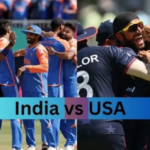
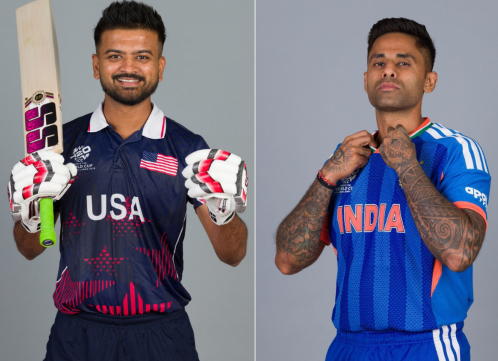
Cricket continues to expand beyond its traditional strongholds, creating exciting contests between established giants and ambitious emerging nations. The timeline between these two teams represents more than just a series of matches. It reflects the global growth of the sport and the opportunities created by major international tournaments. While one side carries a rich legacy filled with championships, legendary players, and passionate supporters, the other symbolizes cricket’s rising influence in new markets. Every encounter has contributed to a fascinating story of competition, development, and ambition. This journey highlights memorable performances, tactical battles, key moments, and the lasting impact these matches have had on international cricket.
Recent Matches Table
| Match Order | Date Played | Official Venue | Format | First Innings | Second Innings | Match Result |
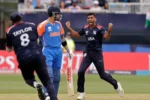
| Match 1 | 12 June 2024 | New York (Nassau) | T20I | USA 110/8 (20) | IND 111/3 (18.2) | IND won by 7 wickets |
| Match 2 | 02 Feb 2026 | Navi Mumbai (DY Patil) | Warm-up | IND A 238/3 (20) | USA 200/10 (19.4) | IND A won by 38 runs |
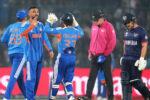
| Match 3 | 07 Feb 2026 | Mumbai (Wankhede) | T20I | IND 161/9 (20) | USA 132/8 (20) | IND won by 29 runs |
| Match 4 | N/A (Future) | To Be Announced | T20I | Data Pending | Data Pending | Fixture Unscheduled |
| Match 5 | N/A (Future) | To Be Announced | ODI | Data Pending | Data Pending | Fixture Unscheduled |
| Match 6 | N/A (Future) | To Be Announced | Test | Data Pending | Data Pending | Fixture Unscheduled |
| Match 7 | N/A (Future) | To Be Announced | Mixed | Data Pending | Data Pending | Fixture Unscheduled |
Match Overview Table
| Parameter Row | Match 1 (IND) | Match 1 (USA) | Match 2 (IND A) | Match 2 (USA) | Match 3 (IND) | Match 3 (USA) |
| Team Runs | 111 Runs | 110 Runs | 238 Runs | 200 Runs | 161 Runs | 132 Runs |
| Wickets Lost | 3 Wickets | 8 Wickets | 3 Wickets | 10 Wickets | 9 Wickets | 8 Wickets |
| Overs Played | 18.2 Overs | 20.0 Overs | 20.0 Overs | 19.4 Overs | 20.0 Overs | 20.0 Overs |
| Toss Choice | Won (Fielded) | Lost (Batted) | Lost (Batted) | Won (Fielded) | Lost (Batted) | Won (Fielded) |
| Powerplay Rns | 33 Runs | 42 Runs | 68 Runs | 55 Runs | 31 Runs | 38 Runs |
| Extras Given | 8 Extras | 9 Extras | 11 Extras | 14 Extras | 7 Extras | 11 Extras |
| Run Rate | 6.05 CRR | 5.50 CRR | 11.90 CRR | 10.16 CRR | 8.05 CRR | 6.60 CRR |
Best Bowling Figures Table
| Bowler Name | National Team | Match Date | Overs Bowled | Runs Allowed | Wickets Taken | Economy Rate |
| Arshdeep Singh | India | 12 June 2024 | 4.0 Overs | 9 Runs | 4 Wickets | 2.25 Eco |
| Mohammed Siraj | India | 07 Feb 2026 | 4.0 Overs | 29 Runs | 3 Wickets | 7.25 Eco |
| Ravi Bishnoi | India A | 02 Feb 2026 | 4.0 Overs | 37 Runs | 3 Wickets | 9.25 Eco |
| S. Netravalkar | United States | 12 June 2024 | 4.0 Overs | 18 Runs | 2 Wickets | 4.50 Eco |
| Arshdeep Singh | India | 07 Feb 2026 | 4.0 Overs | 18 Runs | 2 Wickets | 4.50 Eco |
| Axar Patel | India | 07 Feb 2026 | 4.0 Overs | 24 Runs | 2 Wickets | 6.00 Eco |
| Naman Dhir | India A | 02 Feb 2026 | 1.4 Overs | 11 Runs | 2 Wickets | 6.60 Eco |
Statistical Comparison Table
| Statistical Category | Team India | Team USA | Top Ind Player | Top USA Player | Metric Margin | Record Era |
| Total Wins | 2 Wins | 0 Wins | Rohit Sharma | Aaron Jones | +2 Wins (IND) | 2024–2026 |
| Highest Score | 161/9 | 132/8 | S. Yadav (84) | S. Ranjane (37) | +29 Runs (IND) | 2026 Event |
| Lowest Score | 111/3 | 110/8 | S. Yadav (50*) | Nitish Kumar (27) | +1 Run (IND) | 2024 Event |
| Most Runs | 134 Runs | 48 Runs | S. Yadav | S. Ranjane | +86 Runs (IND) | Cumulative |
| Most Wickets | 6 Wickets | 2 Wickets | Arshdeep Singh | S. Netravalkar | +4 Wkts (IND) | Cumulative |
| Highest Extras | 15 Extras | 20 Extras | N/A (Team Data) | N/A (Team Data) | +5 Extras (USA) | Cumulative |
| Total Sixes | 7 Sixes | 8 Sixes | S. Yadav (5) | Steven Taylor (2) | +1 Six (USA) | Cumulative |
Match Result and Player of the Match Table
| Fixture Entry | Winning Team | Defeated Team | Victory Margin | Player of Match | Primary Role | Match Stage |
| T20I #1 (2024) | India | United States | 7 Wickets | Arshdeep Singh | Left-Arm Seamer | T20 WC Group A |
| Warm-up (2026) | India A | United States | 38 Runs | Naman Dhir | All-Rounder | WC Prep Match |
| T20I #2 (2026) | India | United States | 29 Runs | Suryakumar Yadav | Top-Order Batter | T20 WC Group A |
| Future Slot 1 | Unplayed | Unplayed | TBD | Data Pending | Data Pending | Future Series |
| Future Slot 2 | Unplayed | Unplayed | TBD | Data Pending | Data Pending | Future Series |
| Future Slot 3 | Unplayed | Unplayed | TBD | Data Pending | Data Pending | Future Series |
| Future Slot 4 | Unplayed | Unplayed | TBD | Data Pending | Data Pending | Future Series |
When Two Cricket Worlds Finally Met
The meeting between these two nations represented far more than a single cricket match. One side entered the contest carrying decades of international success, major tournament victories, and some of the game’s most recognizable stars. The other arrived as a rapidly improving team eager to prove that cricket’s growth in North America was no longer just a future possibility. The anticipation surrounding the encounter grew steadily because supporters understood they were witnessing a unique chapter in cricket history. Fans from different backgrounds filled the stands, creating an atmosphere rarely seen in global tournaments. Experts debated whether experience would comfortably overcome enthusiasm or whether a surprise could unfold under pressure. The clash attracted attention from traditional cricket regions as well as new audiences discovering the sport. Every training session, press conference, and tactical discussion added to the excitement. By the time the teams walked onto the field, expectations had reached extraordinary levels. The contest symbolized the meeting of established excellence and emerging ambition, making it one of the most discussed fixtures of the tournament.
| Aspect | Established Side | Emerging Side | Significance |
| Experience | Extensive | Limited | Competitive contrast |
| Fan Base | Global | Growing | Wider audience |
| Tournament History | Rich | Developing | Different journeys |
| Expectations | High | Opportunistic | Added pressure |
| Impact | Maintain dominance | Gain recognition | Historical value |
The Road That Brought Them Together
The path leading to this encounter was shaped by years of development, qualification campaigns, and changing cricket landscapes. One team built its reputation through consistent performances across formats, while the other focused on strengthening domestic structures and creating opportunities for talented players. International cricket has expanded significantly during the past decade, allowing emerging nations to compete against established powers on larger stages. Improved facilities, increased investment, and growing public interest helped create opportunities that once seemed unlikely. Qualification tournaments played a crucial role in bringing these teams onto the same platform. Administrators, coaches, and players spent years working toward moments like this, knowing that a single appearance against elite opposition could inspire a new generation. As the tournament approached, discussions focused on preparation, adaptability, and handling pressure. The matchup represented the reward for years of effort behind the scenes. While the teams arrived with different histories and expectations, both shared a common goal of performing at their highest level. That contrast created a compelling storyline before the first ball was even bowled.
| Factor | Influence | Result | Long-Term Effect |
| Development Programs | Stronger squads | Better performance | Sustainable growth |
| Qualification Success | Tournament entry | Global exposure | Increased confidence |
| Infrastructure | Improved facilities | Better preparation | Future progress |
| Coaching Standards | Skill enhancement | Tactical improvement | Competitive depth |
| International Exposure | Valuable experience | Player growth | Stronger cricket culture |
New York Becomes the Center of World Cricket
New York provided a remarkable backdrop for this high-profile encounter. The city is known for hosting major sporting events, yet seeing international cricket command such attention highlighted the game’s expanding reach. Thousands of supporters traveled from different regions to witness the contest, turning the venue into a vibrant celebration of cricket culture. Media coverage intensified as broadcasters, analysts, and former players examined every possible angle. Discussions centered on pitch behavior, weather conditions, and the strategies each side might employ. Training sessions attracted large audiences, while social media amplified excitement around the globe. Players also understood the significance of performing in front of a diverse crowd eager to see history unfold. The venue itself became part of the story, symbolizing cricket’s ambition to establish a stronger presence in new markets. Every aspect of the event reflected the growing international appeal of the sport. As match day arrived, the atmosphere combined curiosity, passion, and anticipation, creating a memorable setting for a contest that carried importance beyond the tournament standings.
| Element | Observation | Effect | Outcome |
| Venue | Modern setting | Global attention | Historic occasion |
| Crowd | Diverse supporters | Electric atmosphere | Enhanced spectacle |
| Media Coverage | Extensive | Increased visibility | Worldwide interest |
| Preparations | Intense focus | Tactical planning | Competitive readiness |
| Significance | Beyond results | Market expansion | Lasting impact |
The Historic First Clash That Created the Timeline
The first official meeting immediately captured attention because it offered a rare opportunity to compare two very different cricketing journeys. Early overs revealed the pressure both teams felt as bowlers searched for accuracy and batters attempted to settle into their innings. Momentum shifted several times, demonstrating that tournament cricket often rewards composure more than reputation. Fielding standards remained high, and every boundary generated loud reactions from spectators. Partnerships became crucial as players worked to build innings while managing risk. Tactical adjustments from both camps highlighted the importance of reading conditions correctly. As the match progressed, experience gradually influenced decision-making during key moments. However, the challengers displayed resilience and determination, refusing to surrender momentum easily. Several individual performances stood out, adding depth to the narrative surrounding the contest. The closing stages delivered tension and excitement as supporters calculated possible outcomes. When the result was finally secured, players recognized they had participated in a match that would remain significant because it marked the beginning of a new competitive relationship on the international stage.
| Match Phase | Key Feature | Influence | Result |
| Opening Overs | Careful approach | Controlled risk | Stable start |
| Middle Overs | Tactical battle | Momentum changes | Competitive balance |
| Partnerships | Run accumulation | Score building | Pressure relief |
| Fielding Efforts | Crucial stops | Saved runs | Match impact |
| Final Overs | High tension | Decisive moments | Outcome determined |
Match Scorecard Breakdown
A closer examination of the scorecard reveals details that are often overlooked during live viewing. Batting figures tell part of the story, but partnership contributions, strike rotation, and pressure management frequently determine the direction of a contest. Several players played supporting roles that proved just as valuable as the headline performances. Bowling statistics also highlighted the importance of discipline and adaptability. Successful bowlers consistently targeted difficult areas, forcing mistakes and limiting scoring opportunities. Extras, dot-ball percentages, and wicket timing all contributed to the overall narrative. The middle overs proved particularly influential because they shaped the balance between aggression and control. Small moments that appeared insignificant at the time became critical when reviewing the final numbers. Statistical analysis demonstrates how closely contested passages can alter momentum and affect decision-making. Understanding these details provides a clearer picture of why the result unfolded as it did. Beyond individual achievements, the scorecard reflects teamwork, planning, and execution under tournament pressure.
| Category | Importance | Impact on Match | Analysis Value |
| Partnerships | High | Built momentum | Reveals stability |
| Bowling Figures | High | Created pressure | Measures effectiveness |
| Dot Balls | Medium | Restricted scoring | Indicates control |
| Extras | Medium | Added runs | Reflects discipline |
| Wicket Timing | High | Changed momentum | Explains turning points |
Star Performers and Emerging Heroes
Major tournaments often create opportunities for established stars to reinforce their reputations while allowing lesser-known players to introduce themselves to a wider audience. This contest featured both scenarios. Experienced performers accepted responsibility during critical moments and used their knowledge to guide the team through challenging situations. Their calm approach under pressure influenced teammates and stabilized important phases of play. At the same time, emerging players displayed confidence and skill that suggested a bright future. Several individual battles between batters and bowlers added intensity to the contest and kept spectators engaged. Leadership also played a significant role, with captains making strategic decisions that affected field placements, bowling rotations, and batting plans. Strong performances were not limited to runs and wickets alone. Athletic fielding, sharp awareness, and effective communication contributed to the overall standard of cricket. By the end of the match, both teams could identify players whose contributions had shaped the outcome and strengthened their reputation on the international stage.
| Player Role | Contribution | Match Influence | Legacy |
| Top-Order Batter | Stability | Strong foundation | Memorable innings |
| Middle-Order Batter | Recovery | Momentum shift | Key support |
| Fast Bowler | Early wickets | Applied pressure | Match-changing spell |
| Spinner | Control | Restricted scoring | Tactical value |
| Captain | Leadership | Strategic decisions | Team direction |
Tactical Chess Match Under Tournament Pressure
Success at the highest level often depends on tactical awareness as much as individual talent. Both teams entered the contest with carefully designed plans aimed at exploiting conditions and limiting opposition strengths. The powerplay overs became an important battleground where field restrictions encouraged aggressive intent while bowlers searched for breakthroughs. Captains adjusted field placements regularly, responding to changing match situations and player tendencies. Spin and pace were used strategically to disrupt rhythm and create uncertainty. Batters focused on identifying favorable matchups while managing the risk of attacking shots. The middle overs highlighted the importance of patience, as teams balanced scoring opportunities with wicket preservation. Bowling changes were often influenced by momentum shifts, making every decision significant. As pressure increased during the closing stages, execution became more important than planning. The side that adapted more effectively gained a crucial advantage. Ultimately, the contest demonstrated how tactical discipline and situational awareness remain essential ingredients for success in modern international cricket.
| Tactical Area | Objective | Execution | Effect |
| Powerplay | Early advantage | Aggressive approach | Momentum creation |
| Spin Usage | Control scoring | Strategic overs | Pressure buildup |
| Pace Attack | Take wickets | Targeted lines | Key breakthroughs |
| Field Placements | Force mistakes | Constant adjustments | Limited boundaries |
| Death Overs | Finish strongly | Precise execution | Match-defining phase |
Conclusion
The timeline between these teams may still be in its early stages, but it has already produced meaningful moments that resonate across the cricketing world. Their meetings have showcased the contrast between experience and aspiration while demonstrating how rapidly the sport is evolving on a global scale. Each match has offered lessons, memorable performances, and valuable exposure for players on both sides. Beyond the scorecards and statistics, these encounters have helped strengthen cricket’s presence in emerging regions and inspired new generations of fans. As future tournaments create additional opportunities to meet, this developing rivalry promises to add many more exciting chapters to its growing history.
FAQ
What was the first official match between the two teams?
The first official international meeting took place during the ICC Men’s T20 World Cup 2024, marking a historic occasion for both nations.
Why is this matchup considered important?
The contest brought together one of cricket’s most successful teams and an emerging nation, highlighting the sport’s growing global reach.
Which tournament featured their most notable encounter?
Their most significant meeting occurred during the ICC Men’s T20 World Cup 2024, attracting worldwide attention.
What impact did the match have on cricket in the United States?
The fixture increased interest in cricket, attracted new fans, and showcased the country’s potential as a future host of major international events.
Can the two teams face each other again in the future?
Yes. They can meet again in ICC tournaments, World Cups, qualification events, and potentially other international competitions.
| Read Also: South Africa National Cricket Team Standings |