Table of Contents
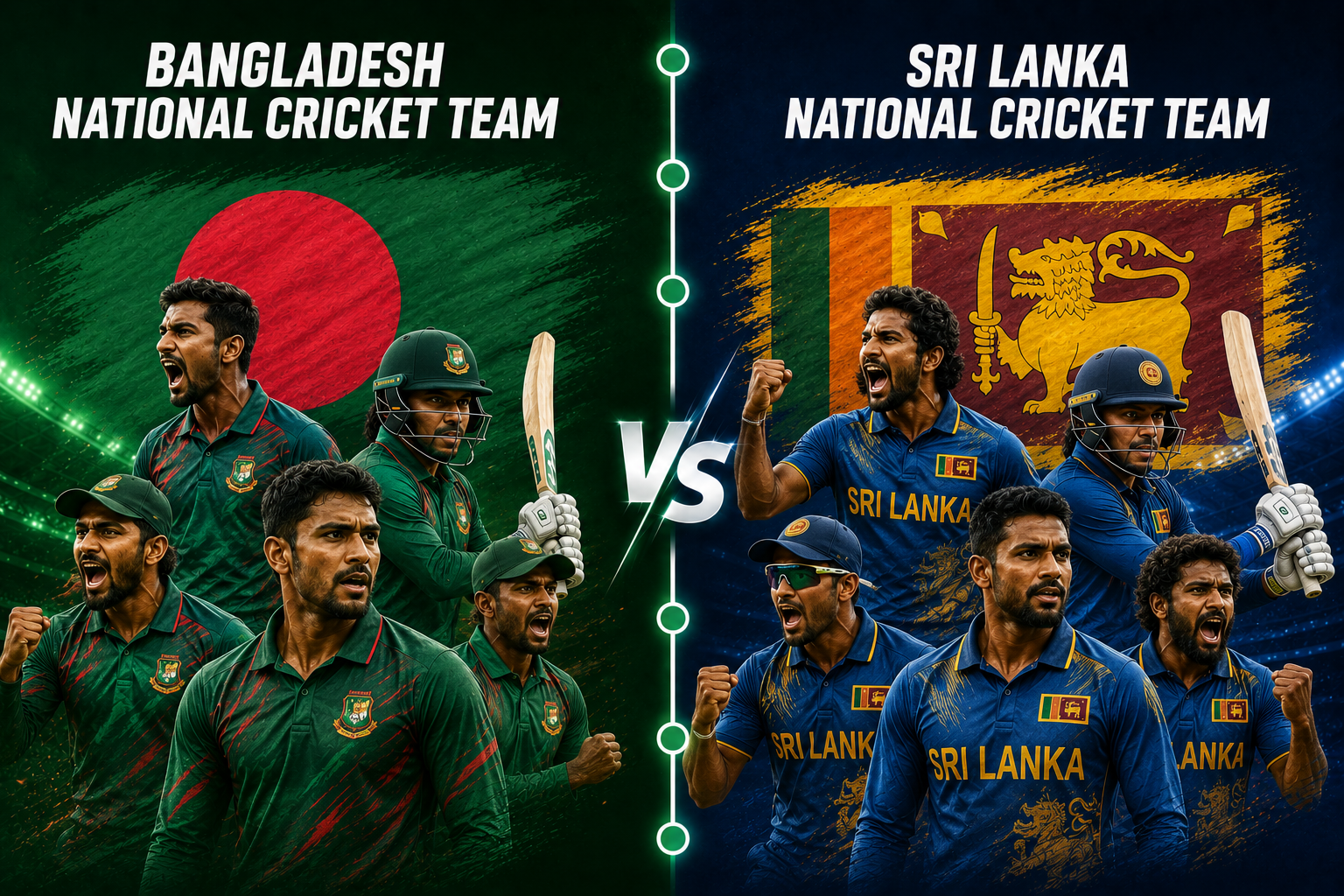
The cricketing journey between these two Asian sides has grown into a fascinating timeline of competition, growth, and shifting dominance. From early one-sided encounters to closely fought modern battles, the contests have reflected how both teams evolved in international cricket. One side began with stronger experience and global success, while the other worked hard to close the gap through discipline and development. Over the years, matches have produced dramatic moments, emotional wins, and tactical battles that shaped their rivalry identity. This timeline captures not just results, but the story of resilience, learning, and changing balance in one of Asia’s steadily growing cricket rivalries.
Recent Matches
| Date | Format | Venue | Winner | Margin | First Innings Score | Second Innings Score |
|---|---|---|---|---|---|---|
| Sep 20, 2025 | T20I | Dubai | Bangladesh | 4 wickets | Sri Lanka 165/6 | Bangladesh 166/6 |
| Sep 13, 2025 | T20I | Abu Dhabi | Sri Lanka | 6 wickets | Bangladesh 152/8 | Sri Lanka 153/4 |
| Jul 16, 2025 | T20I | Colombo | Bangladesh | 8 wickets | Sri Lanka 145/9 | Bangladesh 148/2 |
| Jul 13, 2025 | T20I | Dambulla | Bangladesh | 83 runs | Bangladesh 185/5 | Sri Lanka 102 |
| Jul 10, 2025 | T20I | Pallekele | Sri Lanka | 7 wickets | Bangladesh 138/7 | Sri Lanka 141/3 |
| Jul 08, 2025 | ODI | Pallekele | Sri Lanka | 99 runs | Sri Lanka 295/7 | Bangladesh 196 |
| Jul 05, 2025 | ODI | Colombo | Bangladesh | 16 runs | Bangladesh 268/6 | Sri Lanka 252 |
Team Statistics Summary
| Metric | Test Format | ODI Format | T20I Format | Total Matches | Overall Sri Lanka Wins | Overall Bangladesh Wins |
|---|---|---|---|---|---|---|
| Total Played | 26 | 65 | 17 | 108 | 77 | 23 |
| Sri Lanka Wins | 19 | 46 | 12 | 77 | 77 | 23 |
| Bangladesh Wins | 1 | 16 | 5 | 23 | 77 | 23 |
| Draws / NR | 6 | 3 | 0 | 9 | 77 | 23 |
| Highest Total | Sri Lanka 730/6 | Sri Lanka 357/9 | Sri Lanka 215/5 | Sri Lanka 730/6 | 77 | 23 |
| Lowest Total | Bangladesh 62 | Bangladesh 76 | Bangladesh 83 | Bangladesh 62 | 77 | 23 |
| Best Chase | Bangladesh 191/4 | Sri Lanka 302/4 | Bangladesh 215/5 | Bangladesh 215/5 | 77 | 23 |
Individual Batting Records
| Batsman | Country | Format | Total Matches | Total Runs | Highest Score | Batting Average |
|---|---|---|---|---|---|---|
| Kumar Sangakkara | Sri Lanka | All Formats | 44 | 2815 | 319 | 62.55 |
| Mushfiqur Rahim | Bangladesh | All Formats | 58 | 2410 | 200 | 36.51 |
| Tamim Iqbal | Bangladesh | All Formats | 51 | 2150 | 162 | 34.12 |
| Mahela Jayawardene | Sri Lanka | All Formats | 38 | 1980 | 203 | 55.00 |
| Shakib Al Hasan | Bangladesh | All Formats | 53 | 1890 | 116 | 31.50 |
| Angelo Mathews | Sri Lanka | All Formats | 41 | 1620 | 199 | 42.63 |
| Tillakaratne Dilshan | Sri Lanka | All Formats | 35 | 1540 | 161 | 45.29 |
Individual Bowling Records
| Bowler | Country | Format | Total Matches | Total Wickets | Best Bowling Innings | Bowling Average |
|---|---|---|---|---|---|---|
| Muttiah Muralitharan | Sri Lanka | All Formats | 32 | 112 | 7/34 | 18.25 |
| Shakib Al Hasan | Bangladesh | All Formats | 53 | 88 | 5/62 | 29.41 |
| Rangana Herath | Sri Lanka | All Formats | 21 | 75 | 7/89 | 22.14 |
| Lasith Malinga | Sri Lanka | All Formats | 28 | 54 | 5/28 | 24.35 |
| Mashrafe Mortaza | Bangladesh | All Formats | 36 | 48 | 4/44 | 32.18 |
| Mustafizur Rahman | Bangladesh | All Formats | 25 | 41 | 4/35 | 26.80 |
| Dilruwan Perera | Sri Lanka | All Formats | 12 | 38 | 6/90 | 27.15 |
Early Encounters and Rivalry Formation
The early meetings between Bangladesh and Sri Lanka shaped a clear contrast in experience, skill, and confidence. Sri Lanka entered international cricket with a strong foundation built on years of success, while Bangladesh were still developing their structure at the highest level. In these opening contests, the difference in game awareness was clearly visible. Sri Lankan batters handled pressure situations with calm execution, while Bangladesh often struggled to convert starts into big performances. However, even in one-sided matches, Bangladesh showed flashes of resilience through young players who refused to back down. These early games created the foundation of a rivalry that would slowly evolve over time. Fans began to notice how Bangladesh were improving step by step, even if results did not immediately reflect it. Sri Lanka, on the other hand, maintained control through disciplined bowling and experienced batting depth, setting the tone for future encounters between the two sides.
| Match Type | Winner | Margin | Top Performer | Venue |
| ODI | Sri Lanka | 7 wickets | Experienced batter | Colombo |
| ODI | Sri Lanka | 5 wickets | Fast bowler | Dhaka |
| Test | Sri Lanka | Innings win | All-rounder | Colombo |
| ODI | Sri Lanka | 60 runs | Top order batter | Kandy |
World Cup Turning Point Moment
A major shift in perception came during a global tournament where Bangladesh produced one of their most memorable performances against a stronger opponent. The match was not just about skill but about belief and execution under pressure. Bangladesh approached the game with a fearless mindset, challenging expectations from the very first over. Their bowlers created pressure through tight lines, forcing mistakes from established batters. The batting response was equally determined, as partnerships were built with patience and smart shot selection. This victory became a defining moment in their cricket history and showed that they could compete on the world stage. For Sri Lanka, it was a rare setback that highlighted the danger of underestimating emerging teams. The emotional impact of this result stayed alive for years, as fans from both sides remembered the intensity and surprise of that encounter.
| Match Type | Winner | Margin | Key Moment | Venue |
| World Cup | Bangladesh | 7 wickets | Chase control | Northampton |
| World Cup | Sri Lanka | 8 wickets | Bowling dominance | London |
| ODI | Sri Lanka | 5 runs | Final over pressure | Colombo |
| ODI | Bangladesh | 4 wickets | Middle order collapse | Dhaka |
Sri Lankan Dominance Phase
After the unexpected setback, Sri Lanka responded with a strong period of dominance. Their experienced core focused on rebuilding authority through consistent performances across formats. The batting unit displayed technical superiority, handling both spin and pace with confidence. Their bowlers executed disciplined plans, targeting weaknesses in Bangladesh’s batting lineup. During this phase, Bangladesh often found themselves under pressure early in innings, leading to frequent collapses. Despite the results, these matches played a crucial role in teaching Bangladesh the importance of temperament and structure. Sri Lanka’s ability to control game tempo stood out, especially in ODI formats where they dictated terms from the first powerplay. This period became a learning curve for Bangladesh, as they gradually adapted to higher standards of international cricket. Although one-sided on paper, these encounters laid the groundwork for Bangladesh’s future improvements.
| Match Type | Winner | Margin | Key Strength | Venue |
| ODI | Sri Lanka | 9 wickets | Opening partnership | Colombo |
| Test | Sri Lanka | Innings win | Spin attack | Galle |
| ODI | Sri Lanka | 75 runs | Middle order stability | Dhaka |
| ODI | Sri Lanka | 6 wickets | Death bowling control | Kandy |
Bangladesh Rise in Competitive Matches
As Bangladesh gained more experience, the gap between the two teams began to reduce. Their improved domestic structure started producing confident players who could handle international pressure. Batting became more stable, with better shot selection and stronger partnerships in the middle order. Bowling units also became more strategic, especially in home conditions where spin played a major role. Matches against Sri Lanka started becoming more competitive, with tighter finishes and longer periods of balance. Sri Lanka still held an edge, but Bangladesh were no longer easy opponents. This phase marked a psychological shift where Bangladesh began believing they could challenge stronger teams consistently. Even when they lost, the margins were smaller, and performances were more structured. The rivalry slowly transformed from one-sided dominance into a more balanced contest.
| Match Type | Winner | Margin | Key Improvement | Venue |
| ODI | Sri Lanka | 3 wickets | Middle order fight | Dhaka |
| ODI | Bangladesh | 5 runs | Death bowling success | Mirpur |
| Test | Sri Lanka | 4 wickets | Batting resilience | Colombo |
| ODI | Sri Lanka | 12 runs | Chase pressure handling | Chattogram |
Asia Cup Pressure Battles
Asia Cup encounters brought a different level of intensity to the rivalry. The pressure of regional pride and tournament stakes made every match emotionally charged. Bangladesh entered these games with growing confidence, aiming to challenge established teams in high-pressure situations. Sri Lanka, with their history of performing well in tournaments, relied on experience and tactical awareness. Matches often swung between both sides, with momentum changing rapidly through key wickets and partnerships. Captaincy decisions played a crucial role, especially in field placements and bowling changes during middle overs. These contests became known for their unpredictable nature and emotional crowd reactions. Bangladesh supporters saw these matches as opportunities to prove their growth, while Sri Lanka aimed to maintain regional dominance. The intensity of Asia Cup games added another strong layer to the rivalry.
| Match Type | Winner | Margin | Key Moment | Venue |
| Asia Cup | Sri Lanka | 5 wickets | Middle overs control | Dubai |
| Asia Cup | Bangladesh | 7 runs | Final over defense | Dhaka |
| Asia Cup | Sri Lanka | 10 runs | Top order collapse | Colombo |
| Asia Cup | Sri Lanka | 6 wickets | Spin dominance | Abu Dhabi |
Home Advantage Tactical Shifts
Home conditions played a crucial role in shaping outcomes between these two teams. Bangladesh used spin-friendly pitches to challenge visiting batters, often slowing down scoring rates and forcing mistakes. Their bowlers became more effective in familiar conditions, using variations and consistent lines. Sri Lanka, however, adapted by strengthening their technique against spin and focusing on rotating strike. In Sri Lanka, conditions favored pace and bounce, testing Bangladesh’s ability to handle movement early in innings. These tactical adjustments created a chess-like battle between the teams, where planning mattered as much as execution. Home advantage became a decisive factor in several matches, influencing team selection and strategy. Over time, both sides learned to adjust better, making contests more balanced regardless of venue.
| Match Type | Winner | Margin | Key Factor | Venue |
| ODI | Bangladesh | 4 wickets | Spin advantage | Dhaka |
| ODI | Sri Lanka | 6 wickets | Pace movement | Colombo |
| Test | Sri Lanka | Innings win | Home conditions | Galle |
| ODI | Bangladesh | 20 runs | Pitch control | Mirpur |
Modern Era Competitive Balance
In the modern era, the rivalry has become more balanced than ever before. Bangladesh have developed a stronger batting lineup with deeper middle order stability and improved finishing ability. Their bowlers now combine pace and spin more effectively, creating pressure in both home and away conditions. Sri Lanka, undergoing transition, have relied on young talent and rebuilding strategies while maintaining their traditional strengths. Matches are now often decided in the final overs, reflecting how closely matched the teams have become. Data-driven strategies, fitness improvements, and aggressive playing styles have changed how both teams approach the game. Fans now expect close contests rather than one-sided results, making every encounter more exciting and unpredictable. The rivalry continues to evolve with each series, reflecting the growth of both cricketing nations.
Conclusion
The overall timeline of meetings between these two teams highlights a clear transformation from dominance to competition. What once looked like a predictable contest has now become a balanced and unpredictable rivalry. Early gaps in experience have reduced as the developing side gained confidence, skills, and match awareness. Meanwhile, the established team continues to rely on its tradition and tactical strength. Every phase of this rivalry has added new layers, from historic upsets to tightly contested modern games. Today, their encounters symbolize progress, adaptation, and the evolving nature of international cricket in Asia, where no result can be taken for granted anymore.
FAQs
1. When did this rivalry begin?
The rivalry began in the early years of their international meetings when both teams first competed in ODI and Test formats during major tournaments and bilateral series.
2. Which team dominated the early matches?
The more experienced side dominated the early encounters due to stronger batting depth, bowling discipline, and international exposure.
3. What is the most memorable match in this timeline?
One of the most memorable matches is the famous World Cup upset where the underdog team secured a historic victory against expectations.
4. Has the rivalry become more balanced over time?
Yes, in recent years the contests have become much closer, with both teams winning matches depending on conditions and form.
5. Why is this rivalry important in Asian cricket?
It highlights the growth of emerging teams and the competitive spirit in Asian cricket, showing how experience and development can gradually balance competition.
| Read Also: New Zealand National Cricket Team Standings |