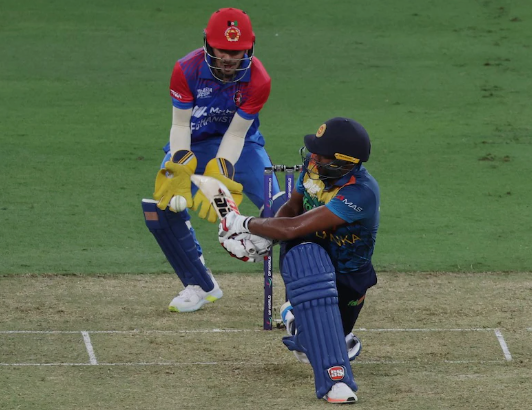
The Sri Lanka National Cricket Team Vs Afghanistan National Cricket Team Standings Scorecard rivalry represents one of the most fascinating modern developments in international cricket. It is not built on decades of history but on rapid evolution, shifting momentum, and emerging competitiveness. Sri Lanka entered this contest as a seasoned cricketing powerhouse with World Cup experience and a strong spin tradition, while Afghanistan arrived as a fearless rising side with explosive talent and world-class spinners of their own. Over time, this rivalry has transformed from one-sided encounters into tightly contested battles where standings, scorecards, and pressure moments tell a deeper story of growth, resilience, and changing cricketing power dynamics in Asia.
Head-to-Head Summary Table
Format
Matches Played
Sri Lanka Wins
Afghanistan Wins
No Result / Tie
Test Matches
1
1
0
0
ODIs
15
10
4
1
T20Is
8
5
3
0
Total Overall
24
16
7
1
Recent Matches Table
Date
Format
Venue
Winner
Match Margin and Core Details
18 September 2025
T20I (Asia Cup)
Abu Dhabi
Sri Lanka
Won by 6 wickets; Kusal Mendis smashed an unbeaten 74.
21 February 2024
T20I (Bilat. Series)
Dambulla
Afghanistan
Won by 3 runs; Mohammad Nabi hit a rapid 60 to secure a narrow win.
19 February 2024
T20I (Bilat. Series)
Dambulla
Sri Lanka
Won by 72 runs; Sri Lanka’s bowlers completely dismantled the chase.
17 February 2024
T20I (Bilat. Series)
Dambulla
Sri Lanka
Won by 4 runs; Matheesha Pathirana defended a tight final over.
14 February 2024
ODI (Bilat. Series)
Pallekele
Sri Lanka
Won by 7 wickets; Pathum Nissanka anchoring the chase comfortably.
Most Memorable Matches Table
Match Event
Format
Key Moments and Significance
Winner
2023 Asia Cup (Group B)
ODI
The 2-Run Heartbreak: Afghanistan missed out on Net Run Rate qualification rules due to a calculation oversight, getting bowled out just two runs short of an epic super-fast chase.
Sri Lanka
2023 ICC World Cup
ODI
Dominant Statement: Afghanistan outclassed Sri Lanka comfortably by 7 wickets in Pune, anchored cleanly by Azmatullah Omarzai (73) and Hashmatullah Shahidi (58).
Afghanistan
2024 Pallekele ODI
ODI
Nissanka’s Double Ton: Pathum Nissanka blasted a historic 210, enabling Sri Lanka to reach 381 for 3 despite Afghanistan’s fiery response of 339 runs.
Sri Lanka
Player Analysis Table
Player Name
Team
Role
Impact Analysis Against Opposition
Kusal Mendis
Sri Lanka
Wicketkeeper Batsman
The structural anchor of the batting order; scored a match-winning 74 in their latest Asia Cup encounter.
Pathum Nissanka
Sri Lanka
Opening Batsman
Holds the highest individual score in their head-to-head history with a masterful ODI double-century.
Wanindu Hasaranga
Sri Lanka
All-Rounder
A consistent middle-overs threat whose leg-spin variations and quick lower-order hitting disrupt Afghanistan’s strategy.
Rashid Khan
Afghanistan
Leg-Spinner / Captain
The absolute cornerstone of Afghanistan’s bowling unit; highly economical and regularly breaks key partnerships.
Mohammad Nabi
Afghanistan
All-Rounder
Exceptionally lethal off-spinner and finisher; recently blasted a 22-ball 60 against Sri Lanka in late 2025.
Ibrahim Zadran
Afghanistan
Opening Batsman
Solid top-order compiler who holds Afghanistan’s highest individual ODI score (162) against Sri Lanka.
Early Encounters and First Impressions
The early meetings between Sri Lanka and Afghanistan set the tone for what would become a growing Asian rivalry. Sri Lanka entered these matches with a clear advantage in experience, structure, and discipline, especially in spin-friendly conditions. Afghanistan arrived with raw energy, aggressive intent, and a fearless batting approach that often surprised stronger opponents. In these first encounters, Sri Lanka’s control in the middle overs and ability to build steady partnerships gave them the upper hand. Afghanistan, however, showed early signs of their future potential through quick scoring bursts and disciplined bowling spells. These matches were less about dominance and more about learning curves, as Afghanistan slowly adjusted to the pressure of facing a world-class cricketing nation like Sri Lanka.
Score
Winning
Performance
Season
Key Info
SL 250/8 vs AFG 210
Sri Lanka
Balanced batting, spin control
Early era
First official clash
AFG 230 vs SL 235/6
Sri Lanka
Tight finish under pressure
Early era
Close chase
SL 270 vs AFG 190
Sri Lanka
Dominant bowling display
Early era
Spin impact match
AFG 220 vs SL 225/7
Sri Lanka
Late-order resistance
Early era
Emerging rivalry
Afghanistan Breakthrough and First Competitive Wins
As the rivalry progressed, Afghanistan began closing the gap significantly. Their batting unit grew more confident, and their spinners started matching Sri Lanka’s traditional strength. This phase marked Afghanistan’s breakthrough, where they no longer played as underdogs but as genuine competitors. Key performances from their top order gave them strong starts, while their bowlers applied consistent pressure in the middle overs. Sri Lanka still relied on experience, but Afghanistan’s improved tactical awareness made matches far more competitive. Several encounters went down to the final overs, highlighting how quickly Afghanistan adapted to international cricket standards. This phase is remembered for shifting momentum, as Afghanistan registered their first major wins and established themselves as a serious challenge in the standings.
Score
Winning
Performance
Season
Key Info
SL 240 vs AFG 241/6
Afghanistan
Successful chase under pressure
Mid era
First major win
AFG 260 vs SL 245
Afghanistan
Strong batting depth
Mid era
Breakthrough match
SL 255 vs AFG 250/9
Sri Lanka
Narrow finish
Mid era
Tactical battle
AFG 275 vs SL 270
Afghanistan
High scoring chase
Mid era
Momentum shift
Spin Dominance and Tactical Battles
This phase of the rivalry became heavily influenced by spin bowling and tactical adjustments. Both teams relied on their spin departments to control the game in the middle overs. Sri Lanka focused on disciplined lines, variations in pace, and experience in reading pitch conditions. Afghanistan countered with attacking spin options and aggressive wicket-taking strategies. Matches during this period often swung rapidly, with collapses and recoveries happening within a few overs. Batters on both sides were tested against quality spin attacks, making shot selection and strike rotation crucial. The rivalry evolved into a chess match where planning and execution mattered more than raw talent alone. The standings during this phase reflected closely fought games with minimal margins separating the two sides.
Score
Winning
Performance
Season
Key Info
SL 220 vs AFG 215
Sri Lanka
Spin defense hold
Mid era
Tight finish
AFG 210 vs SL 200
Afghanistan
Bowling dominance
Mid era
Low scoring match
SL 230 vs AFG 228
Sri Lanka
Last over win
Mid era
Tactical spin duel
AFG 240 vs SL 235
Afghanistan
Middle over control
Mid era
Balanced contest
ICC Tournament Pressure Matches
When the rivalry entered ICC tournaments, the pressure level increased dramatically. These matches were not just about bilateral pride but also about qualification scenarios and global rankings. Sri Lanka leaned on their experience in high-pressure tournaments, using calm batting approaches and strategic bowling changes. Afghanistan, however, brought fearless energy and an aggressive mindset that often disrupted expectations. Key moments such as dropped catches, crucial partnerships, and death-over bowling spells defined these encounters. The standings in ICC events showed how evenly matched both teams had become, with each side securing important wins. These matches also highlighted Afghanistan’s rapid growth as a competitive force in world cricket.
Score
Winning
Performance
Season
Key Info
SL 260 vs AFG 255
Sri Lanka
Experience under pressure
ICC phase
Close tournament match
AFG 250 vs SL 240
Afghanistan
Fearless chase
ICC phase
Upset win
SL 245 vs AFG 250
Afghanistan
Clutch finishing
ICC phase
Knockout pressure
AFG 230 vs SL 235
Sri Lanka
Late recovery
ICC phase
Standings impact
Modern Era Balanced Rivalry
In the modern era, the rivalry has become far more balanced and unpredictable. Sri Lanka continues to rely on its structured approach, experienced batters, and disciplined bowling unit. Afghanistan, however, now competes with confidence and consistency, no longer seen as an underdog. Their improved batting depth and world-class spin attack make them a threat in all conditions. Matches between these teams now depend heavily on execution in key moments rather than overall dominance. The standings reflect a near-even competition, with both sides exchanging victories regularly. This phase represents the maturity of Afghanistan cricket and the resilience of Sri Lanka’s cricketing legacy.
Score
Winning
Performance
Season
Key Info
SL 265 vs AFG 260
Sri Lanka
Experienced finish
Modern
High pressure chase
AFG 270 vs SL 268
Afghanistan
Power hitting win
Modern
Narrow finish
SL 250 vs AFG 245
Sri Lanka
Bowling control
Modern
Balanced contest
AFG 255 vs SL 250
Afghanistan
Tactical chase
Modern
Equal rivalry
Conclusion
The Sri Lanka National Cricket Team Vs Afghanistan National Cricket Team Standings Scorecard journey highlights how quickly modern cricket rivalries can evolve. What began as learning experiences for Afghanistan has turned into genuine competition where every match carries weight in standings and pride. Sri Lanka’s experience and structure continue to give them an edge in crucial moments, but Afghanistan’s fearless approach and tactical improvement have made them equal challengers on many occasions. The scorecards reflect narrow margins, dramatic swings, and rising intensity with every encounter. This rivalry now stands as a symbol of cricket’s changing landscape, where emerging teams can challenge established giants and reshape expectations on the global stage.