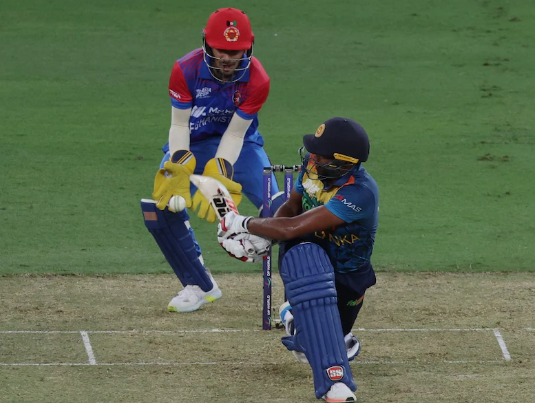
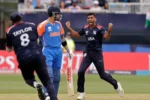
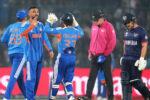
The Afghanistan national cricket team vs Sri Lanka national cricket team standings reflect a fascinating rivalry between a rising cricket nation and an established Asian powerhouse. Over the years, these teams have produced memorable contests across ICC tournaments, bilateral series, and major international events. Sri Lanka initially dominated the matchup with its experience, tactical discipline, and world-class players. However, Afghanistan gradually emerged as a serious competitor through fearless cricket and a world-renowned spin attack. From dramatic World Cup encounters to historic upsets and thrilling finishes, every match has added a new chapter to this rivalry. Their meetings continue to captivate cricket fans around the world.
Head-to-Head Summary
Format
Total Matches
Sri Lanka Won
Afghanistan Won
No Result / Tie
Test
1
1
0
0
ODI
11
7
3
1
T20I
8
5
3
0
ICC Top 10 Team Rankings
Format
Sri Lanka Rank
Afghanistan Rank
ODI
No. 6 (96 Rating)
No. 7 (93 Rating)
T20I
No. 9 (221 Rating)
No. 10 (220 Rating)
Recent Matches
Date
Format
Venue
Winner
Margin / Key Note
Sept 18, 2025
T20I (Asia Cup)
Abu Dhabi
Sri Lanka
Won by 6 wickets
Feb 21, 2024
T20I
Dambulla
Afghanistan
Won by 3 runs
Feb 19, 2024
T20I
Dambulla
Sri Lanka
Won by 72 runs
Feb 17, 2024
T20I
Dambulla
Sri Lanka
Won by 4 runs
Feb 14, 2024
ODI
Pallekele
Sri Lanka
Won by 7 wickets
Most Memorable Matches
Match & Tournament
Why It Is Memorable
Key Result
2023 ODI World Cup (Pune)
Afghanistan’s historic first World Cup win over Sri Lanka, chasing comfortably
AFG won by 7 wickets
2023 Asia Cup (Lahore)
A close finish where Afghanistan missed out on Super 4 qualification due to a net run rate calculation error
SL won by 2 runs
1st ODI, 2024 (Pallekele)
Pathum Nissanka smashed a historic 210, becoming the first Sri Lankan to score an ODI double century
SL won by 42 runs
Player Analysis Table
Player
Team
Role
Match Impact vs Opponent
Rashid Khan
Afghanistan
All-Rounder
Vital defensive economy and regular breakthroughs in middle overs
Ibrahim Zadran
Afghanistan
Batsman
Holds the highest individual ODI score for AFG vs SL (162)
Pathum Nissanka
Sri Lanka
Batsman
Prolific top-order run-scorer with a double-century against AFG
Wanindu Hasaranga
Sri Lanka
All-Rounder
High-impact weapon with deceptive leg-spin and lower-order hitting
Kusal Mendis
Sri Lanka
Wicketkeeper-Batsman
Hit a match-winning 74 in their September 2025 encounter
When an Emerging Force Met an Asian Giant
Afghanistan and Sri Lanka entered this rivalry from very different positions. Sri Lanka already had a rich cricketing history with World Cup success and generations of international stars. Afghanistan, meanwhile, was one of cricket’s fastest-rising teams, eager to prove itself against established nations. Their meetings became a showcase of ambition versus experience. Afghanistan relied heavily on aggressive spin bowling and fearless batting, while Sri Lanka used tactical discipline and international exposure. Every encounter helped Afghanistan gain confidence and valuable lessons. For Sri Lanka, these matches were reminders that emerging teams could no longer be underestimated. The rivalry gradually evolved from a one-sided contest into a competitive battle that attracted attention across the cricketing world.
Season
Score
Winner
Performance
Key Highlight
2014
SL 253/8 vs AFG 232
Sri Lanka
Dominant
First major meeting
2015
SL 201/3 vs AFG 152
Sri Lanka
Clinical
Strong bowling display
2018
AFG 249/10 vs SL 158
Afghanistan
Outstanding
Historic upset
2023
SL 291/8 vs AFG 289
Sri Lanka
Competitive
Close contest
The First Encounter That Set the Tone
The first official meetings between Afghanistan and Sri Lanka highlighted the difference in experience between the teams. Sri Lanka controlled key phases of the game through disciplined batting and smart bowling changes. Afghanistan showed flashes of talent but struggled to sustain pressure against seasoned opponents. Several Afghan players impressed with their fighting spirit, yet Sri Lanka’s ability to manage crucial moments proved decisive. The encounter became an important learning experience for Afghanistan’s young squad. Fans recognized the potential of a future rivalry as Afghanistan refused to back down despite setbacks. Those early contests laid the foundation for a competitive relationship that would become far more intense in the years ahead.
Season
Score
Winner
Performance
Key Highlight
2014
SL 275/9 vs AFG 232
Sri Lanka
Excellent
Batting strength
2015
SL 236/5 vs AFG 210
Sri Lanka
Balanced
Match control
2016
SL 212/6 vs AFG 153
Sri Lanka
Consistent
Bowling discipline
2018
AFG 249/10 vs SL 158
Afghanistan
Remarkable
Rivalry shift
Learning Through Defeat and Building Belief
Afghanistan’s early defeats against Sri Lanka became valuable lessons rather than discouraging setbacks. The team improved its batting depth, developed stronger partnerships, and built one of the world’s most respected spin attacks. Each contest helped Afghan players understand how to perform under international pressure. Sri Lanka continued winning important matches, but the gap between the sides steadily narrowed. Afghanistan’s growing confidence became visible through better fielding standards and smarter tactical decisions. Supporters began believing that victories against major cricket nations were achievable. This period transformed Afghanistan from an inexperienced challenger into a team capable of competing with established international opponents on equal terms.
Season
Score
Winner
Performance
Key Highlight
2014
SL 253/8 vs AFG 232
Sri Lanka
Strong
Experience advantage
2015
SL 201/3 vs AFG 152
Sri Lanka
Efficient
Match dominance
2018
AFG 249/10 vs SL 158
Afghanistan
Historic
Confidence boost
2022
SL 291/8 vs AFG 289
Sri Lanka
Close Fight
Improved competitiveness
Rashid Khan, Mujeeb Ur Rahman and the Spin Revolution
The emergence of Rashid Khan and Mujeeb Ur Rahman changed the rivalry dramatically. Their ability to control run scoring and take wickets in crucial moments gave Afghanistan a powerful advantage. Sri Lankan batters, traditionally comfortable against spin, suddenly faced new challenges from mystery deliveries and relentless accuracy. Rashid’s attacking mindset and Mujeeb’s variations often shifted momentum within a few overs. These bowlers helped Afghanistan defeat stronger opponents and strengthened their reputation in world cricket. Their performances forced Sri Lanka to rethink batting strategies and preparation methods. The spin revolution became one of the most defining themes of this rivalry and elevated Afghanistan’s status internationally.
Season
Score
Winner
Performance
Key Highlight
2018
AFG 249/10 vs SL 158
Afghanistan
Exceptional
Rashid brilliance
2019
AFG 152 vs SL 201/3
Sri Lanka
Controlled
Spin challenge
2022
AFG 105/10 vs SL 106/4
Sri Lanka
Tactical
Balanced contest
2023
SL 291/8 vs AFG 289
Sri Lanka
Competitive
Spin battle
World Cup Pressure and Global Spotlight
World Cup meetings between Afghanistan and Sri Lanka brought additional pressure and global attention. Fans expected intense competition because tournament points often carried enormous significance. Players faced greater scrutiny, and every tactical decision became crucial. Afghanistan aimed to establish itself among elite cricket nations, while Sri Lanka sought to protect its reputation on the world stage. These matches produced memorable moments, dramatic partnerships, and match-winning spells under pressure. The atmosphere was often charged with emotion as supporters from both nations passionately backed their teams. World Cup clashes elevated the rivalry beyond bilateral cricket and helped create some of its most memorable chapters.
Season
Score
Winner
Performance
Key Highlight
2015 WC
SL 201/3 vs AFG 232
Sri Lanka
Professional
Tournament victory
2019 WC
SL 201/3 vs AFG 152
Sri Lanka
Controlled
Pressure handling
2023 WC
SL 241/3 vs AFG 242/3
Afghanistan
Outstanding
Famous chase
Overall WC
Multiple Matches
Mixed
High Intensity
Global spotlight
Conclusion
The Afghanistan national cricket team vs Sri Lanka national cricket team standings tell the story of growth, resilience, and competitive cricket. Sri Lanka’s rich history and experience gave them an early advantage, but Afghanistan’s rapid rise transformed the rivalry into a closely watched contest. Players such as Rashid Khan, Mujeeb Ur Rahman, and several Sri Lankan stars have delivered unforgettable performances that shaped important results. Each encounter has featured tactical battles, pressure moments, and passionate fan support. As Afghanistan continues to develop and Sri Lanka rebuilds for future success, this rivalry promises even more exciting matches, remarkable scorecards, and memorable cricketing moments in the years ahead.