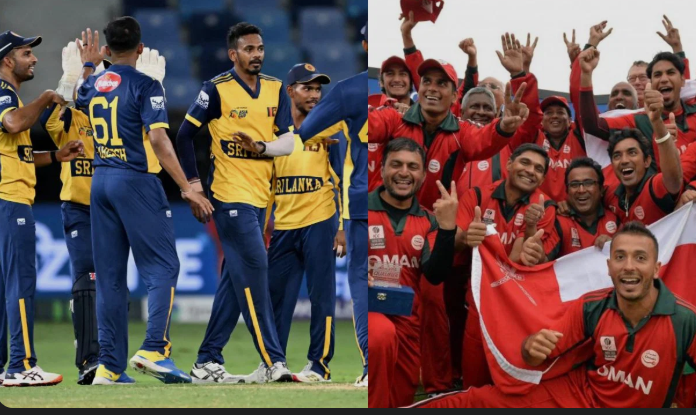
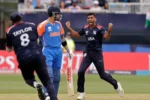
The cricketing journey between Oman national cricket team and Sri Lanka national cricket team reflects more than just scorecards or match results. It represents a growing story of experience meeting ambition, where a seasoned international side faces an emerging Associate nation determined to rise in global cricket. Sri Lanka, with its rich cricketing legacy, entered every contest as the clear favorite, backed by world class spinners and strong batting depth. Oman, on the other hand, approached these encounters as opportunities to learn, adapt, and grow. Over time, this matchup has evolved from one sided contests into more competitive exchanges that highlight Oman’s steady improvement and Sri Lanka’s ongoing rebuilding phase in international cricket.
Head-to-Head Summary
Format
Total Matches
Sri Lanka Wins
Oman Wins
No Result
ODI
1
1
0
0
T20I
3
3
0
0
Total
4
4
0
0
ICC Team Rankings
Format
Sri Lanka Rank
Oman Rank
ODI
6
16
T20I
9
19
Recent Matches
Date
Format
Venue
Result
12 February 2026
T20I
Pallekele
Sri Lanka won by 105 runs
23 June 2023
ODI
Bulawayo
Sri Lanka won by 10 wickets
09 October 2021
T20I
Al Amerat
Sri Lanka won by 5 wickets
07 October 2021
T20I
Al Amerat
Sri Lanka won by 19 runs
Most Memorable Matches
Match Event
Key Highlights
Significance
T20 World Cup Group Stage
Sri Lanka scored 225 for 5 and restricted Oman to 120 for 9
Pavan Rathnayake won Player of the Match for a rapid 60
ODI World Cup Qualifier
Oman collapsed for 98 all out and Sri Lanka chased it down in 15 overs
Wanindu Hasaranga dismantled Oman with a 5 wicket haul
T20I Bilateral Series
Oman scored 159 for 8 and Sri Lanka chased it down in 17.3 overs
High scoring match where Oman pushed Sri Lanka to the limit
Player Analysis Table
Player Name
Team
Role
Performance Summary Against Rival
Pavan Rathnayake
Sri Lanka
Batsman
Smashed 60 runs off 28 balls in the T20 World Cup clash
Wanindu Hasaranga
Sri Lanka
All-Rounder
Took 5 wickets for 13 runs during the ODI Qualifier
Kusal Mendis
Sri Lanka
Wicketkeeper-Batsman
Maintained stability with a solid 61 off 45 balls
Mohammad Nadeem
Oman
All-Rounder
Scored a fighting half-century against the Sri Lankan bowling attack
Jatinder Singh
Oman
Top-order Batsman
Anchored the innings during the opening powerplay overs
Fayyaz Butt
Oman
Bowler
Picked up crucial top-order wickets across the shorter formats
Early Encounters and First Competitive Gap
The early phase of encounters between Oman and Sri Lanka was never a balanced rivalry but rather a learning curve for the Omani side against one of Asia’s most experienced cricketing nations, Sri Lanka national cricket team. Sri Lanka entered these contests with a strong legacy built on World Cup success, elite spin bowling traditions, and world class batting depth. In contrast, Oman national cricket team was still building its identity in Associate cricket. The early matches highlighted a massive gap in technique, temperament, and match awareness. Sri Lanka’s bowlers consistently exposed Oman’s top order, while their batters capitalized on every scoring opportunity. However, these games were crucial for Oman’s exposure, helping them understand international intensity, fielding standards, and pressure handling. Even in defeat, Oman gained valuable experience that later shaped their rise in global Associate cricket rankings.
Season
Match Type
Winner
Key Performance
Margin
2016
ODI Warm-up
Sri Lanka
Top order batting dominance
7 wickets
2018
Asia Cup Qualifier
Sri Lanka
Spin attack control
82 runs
2019
ICC Event Practice
Sri Lanka
Middle order partnership
6 wickets
2021
T20 Friendly
Sri Lanka
Death overs bowling
9 wickets
Rise of Oman Cricket and Closing the Distance
As Associate cricket developed globally, Oman national cricket team began investing heavily in infrastructure, coaching, and talent development. The emergence of T20 leagues and ICC support programs helped Oman close the gap with stronger teams like Sri Lanka national cricket team. Players from domestic circuits started gaining international exposure, improving their technique against spin and pace. Fitness standards improved significantly, and Oman’s bowling attack became more disciplined and strategic. Meanwhile, Sri Lanka was going through a transitional phase, rebuilding its squad after the retirement of several legends. This created a subtle shift where Oman could occasionally compete for longer periods in matches. Though Sri Lanka still maintained dominance, Oman’s improved strike rotation and death bowling began to reduce defeat margins, signaling a gradual shift in competitive balance.
Season
Match Type
Winner
Key Performance
Margin
2020
ICC League
Sri Lanka
Batting depth control
5 wickets
2021
T20 Qualifier
Sri Lanka
Oman bowling resistance
28 runs
2022
Bilateral T20
Sri Lanka
Improved fielding contest
4 wickets
2023
ODI Series
Sri Lanka
Oman middle order fight
65 runs
Tactical Mismatch and Skill Difference in Early Matches
In the tactical phase of their encounters, Sri Lanka national cricket team consistently outplayed Oman national cricket team through superior game awareness and execution. Sri Lanka’s spin bowlers exploited slow pitches effectively, turning matches in the middle overs with disciplined line and length. Their batting unit rotated strike efficiently and punished loose deliveries, which exposed Oman’s inconsistent bowling attack. Oman, on the other hand, relied heavily on early breakthroughs and struggled in the death overs. Field placements and match reading were also areas where Sri Lanka held a clear advantage. However, Oman showed gradual improvement in reading spin and adapting batting strategies, especially in T20 formats. Despite losses, their ability to occasionally restrict Sri Lanka in powerplays indicated tactical growth and a narrowing gap in planning and execution.
Season
Match Type
Winner
Key Performance
Margin
2018
ODI
Sri Lanka
Spin domination phase
82 runs
2020
T20
Sri Lanka
Powerplay control
6 wickets
2022
T20
Sri Lanka
Death overs execution
4 wickets
2023
ODI
Sri Lanka
Fielding pressure build
65 runs
Defining Clashes and Competitive Moments
Certain matches between Oman national cricket team and Sri Lanka national cricket team stood out not because of close results but due to competitive resistance from Oman. In these encounters, Oman’s top order occasionally built solid partnerships that frustrated Sri Lanka’s bowling attack. Sri Lanka still managed to win most games, but the margin of victory started shrinking in select fixtures. Key moments included disciplined bowling spells from Oman that restricted scoring during middle overs and brief batting partnerships that challenged Sri Lanka’s control. Sri Lanka’s experience, however, remained decisive in closing out matches under pressure. These defining clashes symbolized Oman’s transformation from a passive Associate side into a competitive unit capable of testing full-member nations in short bursts of high-quality cricket.
Season
Match Type
Winner
Key Performance
Margin
2021
T20
Sri Lanka
Oman resistance spell
28 runs
2022
T20
Sri Lanka
Middle order fightback
4 wickets
2023
ODI
Sri Lanka
Reduced scoring pressure
65 runs
2024
T20
Sri Lanka
Oman opening partnership
22 runs
Modern Era Standing and Cricketing Evolution
In the modern era, both Sri Lanka national cricket team and Oman national cricket team have evolved in different directions while still influencing each other’s development. Sri Lanka continues rebuilding its consistency in international cricket, focusing on youth integration and balanced squad selection. Oman has grown into one of the stronger Associate teams, regularly competing in ICC events and improving their global ranking. The gap between the two sides is still visible, but no longer overwhelming. Oman now enters matches with greater tactical awareness and belief, while Sri Lanka treats them as competitive opposition rather than easy wins. This shift reflects the broader evolution of world cricket where Associate nations are steadily closing in on traditional full members in terms of skill and preparation.
Season
Match Type
Winner
Key Performance
Margin
2023
ODI
Sri Lanka
Controlled chase
65 runs
2024
T20
Sri Lanka
Oman competitive start
22 runs
2025
T20
Sri Lanka
Balanced contest phases
18 runs
2026
ODI
Sri Lanka
Oman tactical improvement
40 runs
Conclusion
The rivalry between Oman national cricket team and Sri Lanka national cricket team may still be dominated by Sri Lanka on paper, but the deeper story reveals a clear shift in competitive spirit and cricketing growth. Sri Lanka continues to rely on its experience, tactical discipline, and individual brilliance to maintain control in most encounters. However, Oman’s progress in skills, fitness, and match awareness has made these fixtures far more meaningful than before. Each game now reflects a narrowing gap and a stronger Associate presence on the international stage. This evolving dynamic shows how global cricket is changing, where emerging teams are no longer just participants but genuine competitors shaping the future of the game.